Maranatha

One of the downsides of constant military attacks is how difficult it becomes to plan your time or any events at all. You cannot guarantee yourself sleep; you cannot know whether you will wake up to explosions, or where they will hit. This year, there were several strikes that were very close, and they affected me more than usual. During one of them, I remember being in the shelter with my father and my son, Vova. Outwardly, we behaved normally, large missile explosions happening around us, and I remember being absolutely certain that the next missile would hit us. There was a strange sense of understanding and acceptance. After that, there were several more strikes. One of them landed 900 yards from our home—we repaired cracks in the house afterward, and for a while it was hard to sleep peacefully. One of the routines I added was running. It allowed me to listen to books, lessons, sermons while running, and my body being occupied with the physical activity removed much of the stress.
This morning I was running near the window, and the first missile of today’s attack hit 700 yards from me.
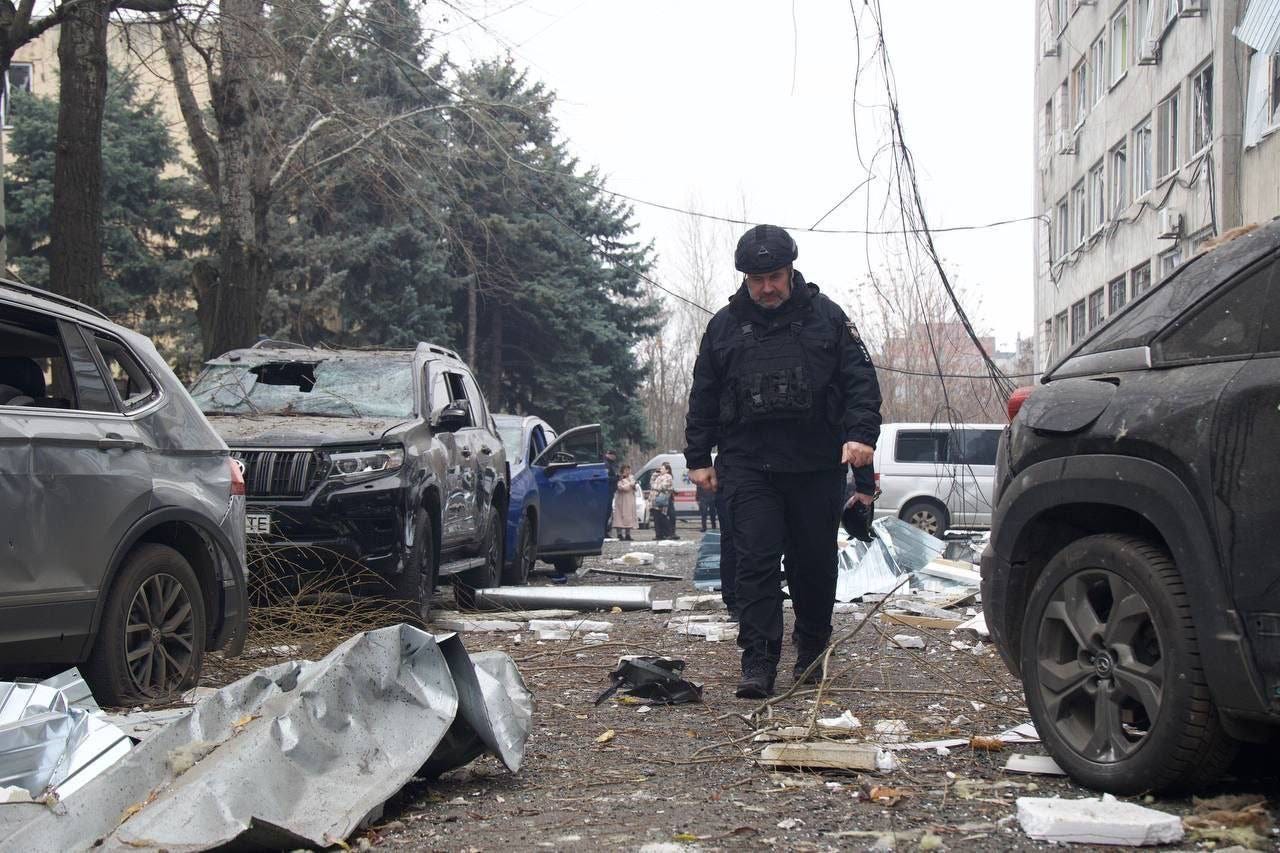
They are called Iskander-M, and now my morning routine will have to change because of Russia—I will no longer run near that window. When I left the gym, people around were sweeping up shattered glass, but I still didn’t know exactly what the missile had struck.
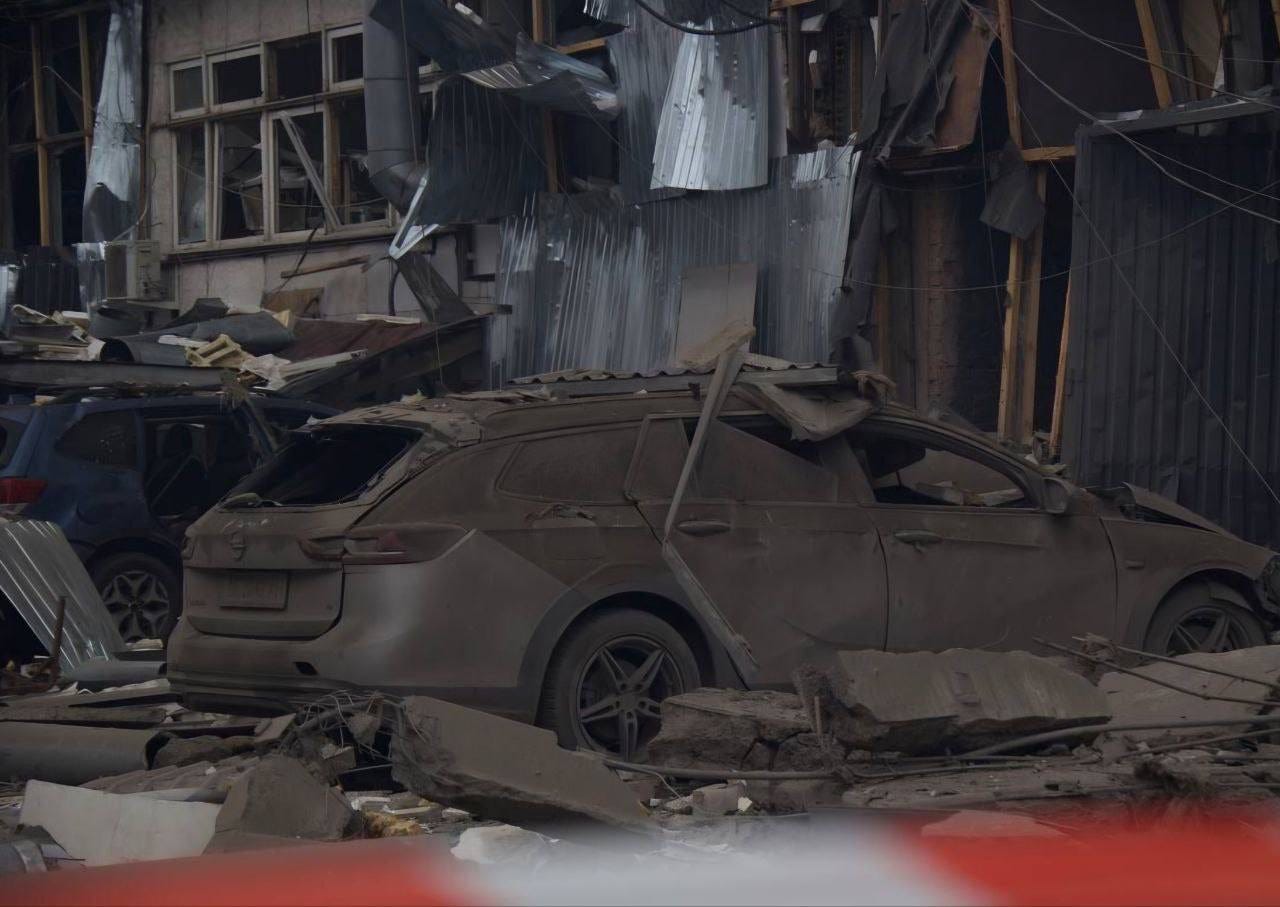
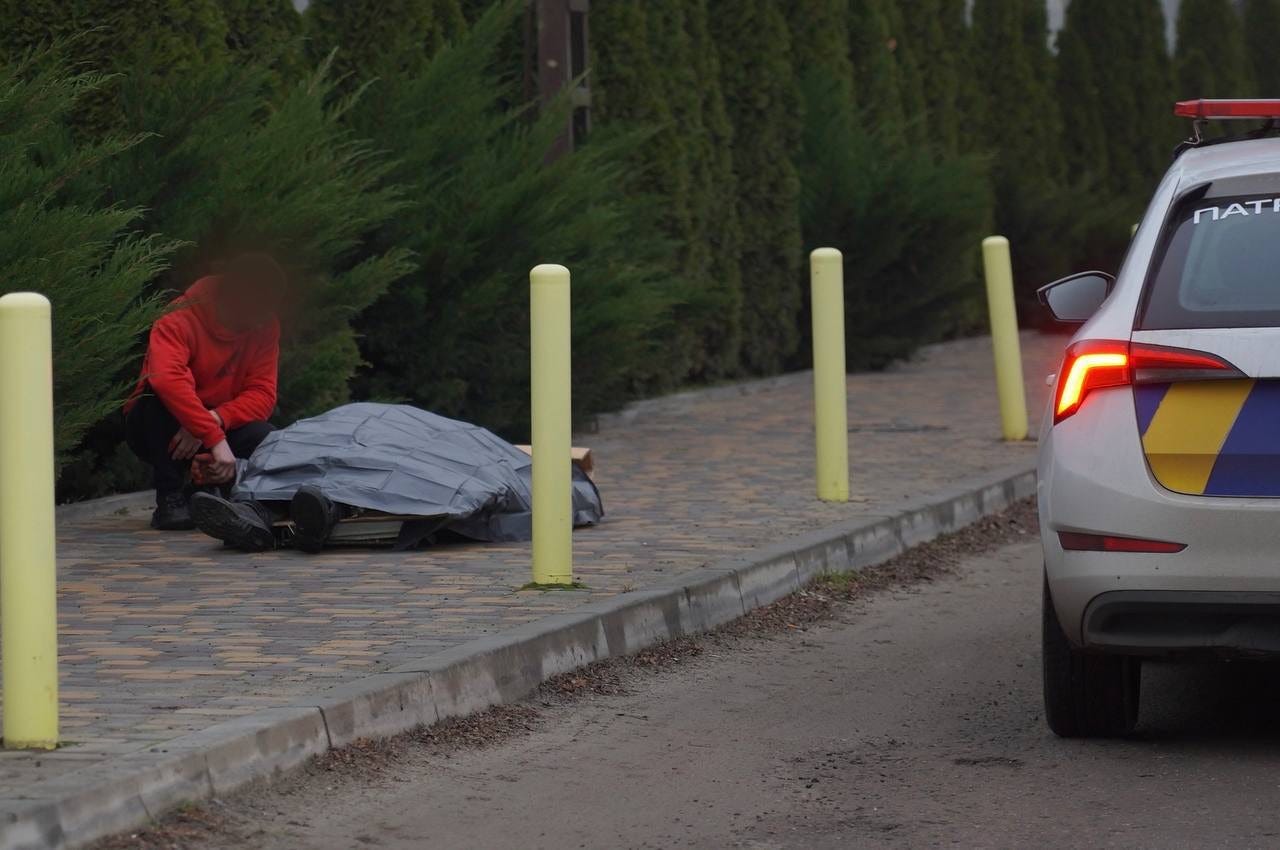
Now I know: it hit the building where the post office was located, along with an auto-repair shop (the same place where I recently had my car fixed), a wallpaper production business, and several stores with residential buildings around them.
At the moment, there are reports of 3 killed and 15 injured.
I am fine, and I will be fine. This is just one of countless explosions nearby throughout the entire war. But I am still struck by how sudden it always is—how chaotic. Drones very often simply blanket an area, and missiles strike schools, kindergartens, shopping malls; sometimes they hit roads, maternity hospitals. Daytime, nighttime—it makes no difference. I cannot understand people who think this is only “Putin’s war,” while a vast number of Russians continue signing contracts to earn money, to loot captured homes, to entertain themselves through “drone safaris,” where they deliberately hunt and kill civilians.
Of course, people say World War II was Hitler’s war, or that Nero’s persecutions were initiated by Nero. But the reason such things were possible always lies in the support of others—in the willingness of others to commit what they consider “necessary” evil. When we talk about praying for our enemies, we cannot ignore the sorrow of seeing ordinary people celebrate our deaths, rejoice when missiles hit us, celebrate the capture of some town or village, honor their soldiers as heroes. Children write cheerful letters to their fathers who launch missiles at us, drawing them pictures. Artists compose music that glorifies our killings—music that teenagers listen to in schools. Women celebrate stolen goods their husbands send home from the front, like a new washing machine, or a hair dryer taken from a barely standing home where people died but the hair dryer remained intact.
What should truly frighten us is how, throughout history, people no different from us—people who could have been our neighbors—under the influence of propaganda became our killers. I understand how difficult it must have been for the early church: Jesus said that your own relatives would be the ones to kill you and hand you over to death. For that to happen, there had to be an extremely powerful level of propaganda to convince someone to hand over their child or their mother to be killed, believing that exterminating Christians was a “necessary” evil.
Imagine how the father of lies works. Back then, during other wars, now, and until the day our Lord Jesus returns and the enemy is destroyed.
Maranatha.